
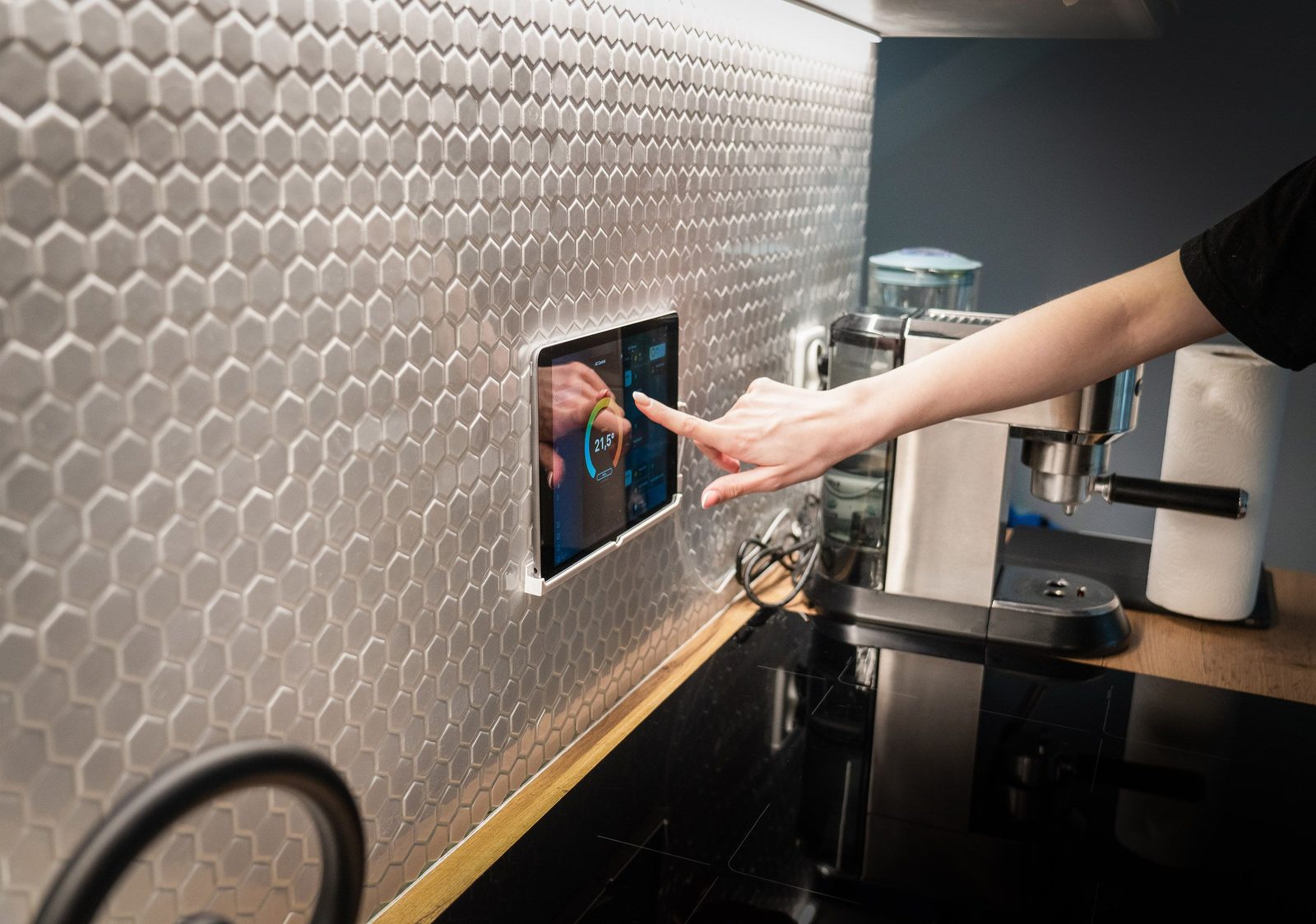
For years, "smart home" meant an app on your phone that could switch on a light or check who rang the doorbell. In 2026, that definition has quietly expanded. Smart homes in India are no longer just connected — they're increasingly automated, with robots handling physical chores that used to require a person in the room.
At Yantrim, we see this shift every day: families who started with a smart lock or a CCTV camera are now asking about robot vacuums, lawn mowers, and security patrol robots that work alongside their existing automation setup. This guide explains how smart home technology and robotics fit together, and what that means for your home.
What's the Difference Between "Smart Home" and "Home Robotics"?
It's a useful distinction, even though the two increasingly overlap:
- Smart home automation connects devices — lights, locks, cameras, sensors, thermostats — to a network so they can be controlled remotely and triggered by rules ("turn on the porch light at sunset," "lock the door if no motion is detected for 10 minutes").
- Home robotics goes a step further: physical machines that move around your home and do something — clean the floor, mow the lawn, patrol the perimeter, or assist in the kitchen — without you operating them directly.
The real value shows up when the two combine. A robot vacuum that only runs when you press a button is convenient. A robot vacuum that's part of your smart home system — scheduled automatically, paused when your security camera detects you're home, and reporting its status to the same app as your door lock — is genuinely automated living.
Categories of Home Robots Available Today
Yantrim works with a range of home robots designed for Indian households:
1. Cleaning Robots
Autonomous vacuum robots navigate around furniture, map your home's layout, and clean on a schedule. Modern models handle both hard floors and carpets, and many empty their own dustbin into a base station.
2. Window and Pool Cleaning Robots
For high-rise apartments and homes with pools, these robots use suction and mapping sensors to clean surfaces safely — jobs that are otherwise time-consuming or genuinely risky to do by hand.
3. Lawn Care Robots
Robotic mowers handle gardens and lawns on a set schedule, navigating slopes and obstacles automatically, so weekends aren't spent behind a mower in the heat.
4. Security Patrol Robots
These robots move through your property on a schedule or on demand, streaming live video and using motion and facial-recognition sensors — a mobile complement to fixed CCTV cameras.
5. Cooking Assistants
Kitchen robots that chop, stir, and steam according to a recipe are the newest category to reach Indian homes, cutting daily meal-prep time significantly.
Why Combine Robotics with Smart Home Automation?
One app, one routine. Instead of juggling a separate app for each robot, an integrated smart home setup lets you see and control everything — cameras, locks, sensors, and robots — from a single dashboard.
Smarter scheduling. A robot vacuum that's aware of your security system can skip cleaning while a delivery person is at the door, or run automatically once your smart lock confirms everyone has left for the day.
Better use of sensor data. The motion sensors and cameras you already have for security can also tell a cleaning or patrol robot when a room is occupied or empty — no extra hardware needed.
Peace of mind that compounds. A security patrol robot working alongside fixed CCTV cameras and door sensors gives you overlapping coverage, so a blind spot for one system is often covered by another.
What Does It Cost to Add Robotics to a Smart Home in India?
Robotics is typically an addition to an existing smart home setup rather than a starting point. Here's a realistic range for popular categories:
| Robot Type | Estimated Price Range |
|---|---|
| Robot vacuum (entry to mid-range) | ₹12,000 – ₹35,000 |
| Robot vacuum with self-empty base | ₹30,000 – ₹60,000 |
| Robotic lawn mower | ₹35,000 – ₹90,000 |
| Window/pool cleaning robot | ₹20,000 – ₹50,000 |
| Security patrol robot | ₹50,000 and up |
Prices vary by brand, features, and the size of the area the robot needs to cover. Yantrim helps you choose the right model for your home and budget rather than the most expensive option on the shelf.
Getting Started: Where Most Families Begin
If you're new to home robotics, you don't need to automate everything at once. A sensible path looks like:
- Start with your highest-friction chore. For most households, that's floor cleaning — a robot vacuum delivers noticeable time savings from day one.
- Add to your existing smart home hub. If you already have Yantrim cameras, locks, or sensors installed, integrating a new robot into the same app keeps everything in one place.
- Expand room by room, or task by task. Add a lawn robot, a security patrol robot, or a cooking assistant as your needs and budget allow — the system is designed to scale.
The Yantrim Advantage
Yantrim's approach to robotics is the same as our approach to security and agriculture automation: recommend what actually fits your home, install it properly, and make sure it works together with everything else you already have.
- Honest recommendations — we'll tell you if a cheaper robot suits your home just as well as a premium one
- Integration expertise — robots are set up to work with your existing Yantrim smart home devices, not as a separate, disconnected gadget
- Local support — service and troubleshooting from a team that understands Indian homes, power conditions, and layouts
- One relationship, one team — the same company that installed your security system can add robotics later, with no re-explaining your home from scratch
Ready to Automate More of Your Home?
Whether you're curious about your first robot vacuum or want to build a fully integrated smart home with security, automation, and robotics working together, Yantrim can help you plan it out.
Reach out for a free consultation — we'll look at what you already have, what would make the biggest difference in your daily routine, and recommend a setup that fits your home and your budget.
Smart homes were never really about the gadgets. They're about giving you back time and peace of mind — and in 2026, robotics is how that promise finally gets delivered.


